Understanding Autistic Masking: How to Safely Unmask and Overcome Self-Hatred
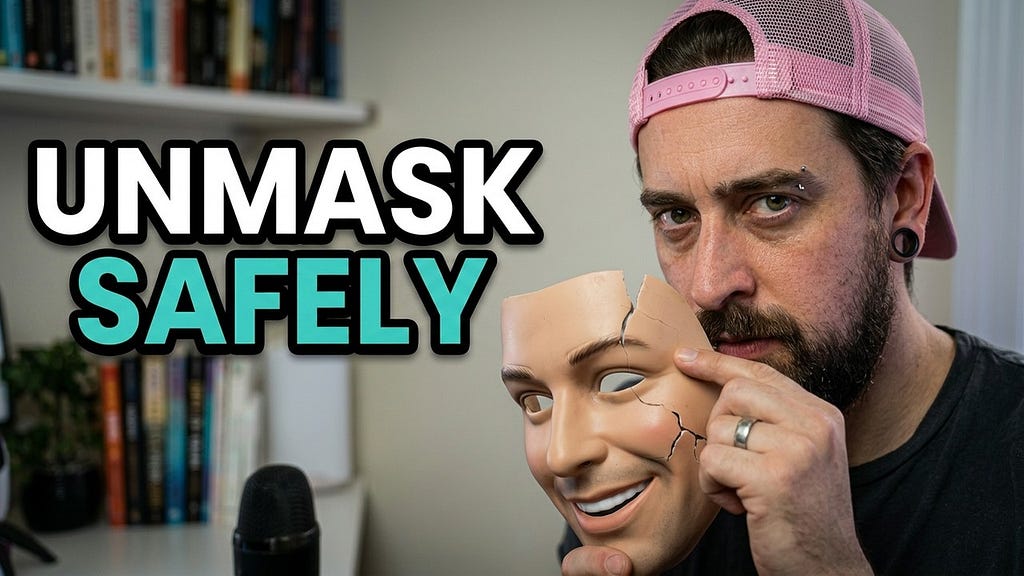
Masking is a common phenomenon among autistic individuals, particularly those who have been diagnosed later in life. For many, it becomes a way to cope with a world that often demands conformity. In this post, we will explore the concept of masking, the importance of safely unmasking, and how to address feelings of self-hatred that often accompany late diagnosis autism.
For years, individuals on the autism spectrum have been putting on a brave face, pretending to fit into societal norms that may not align with their true selves. The pressure to conform can lead to a cycle of self-doubt and dissatisfaction. Understanding these dynamics is crucial for anyone looking to embrace their authentic self.
What is Masking?
Masking refers to the coping mechanism where autistic individuals suppress their true selves to fit into societal expectations. This can manifest in various ways, such as mimicking social behaviors or concealing stimming behaviors. For many, masking is a survival strategy, often learned from a young age.
The Origins of Masking
- Societal Expectations: Many autistic individuals feel pressured to conform to societal norms.
- Fear of Judgment: The fear of being judged or rejected often drives individuals to mask their true identities.
- Perceived Normativity: Autistic individuals often strive to reach what they perceive as ‘normal’ behaviors.
The impact of masking can be profound, leading to emotional exhaustion and feelings of disconnect from oneself.
The Risks of Masking
While masking may help individuals navigate social situations, it comes at a cost. The continuous effort to fit in can lead to emotional burnout and mental health issues.
Signs of Burnout
- Chronic Fatigue: Feeling drained after social interactions.
- Heightened Anxiety: Increased feelings of anxiety in social settings.
- Loss of Interest: Loss of interest in activities once enjoyed.
Acknowledging these signs is the first step in understanding the impact of masking.
How to Safely Unmask
Safely unmasking means finding ways to express your true self without the burden of societal expectations. This process requires courage and self-acceptance.
Practicing Self-Expression
- Identify Interests: Focus on activities that genuinely interest you.
- Set Boundaries: Learn to say no to situations that feel uncomfortable for you.
- Create Safe Spaces: Surround yourself with supportive individuals who accept you for who you are.
These practices help cultivate a more authentic life, allowing you to reconnect with your true self.
Addressing Self-Hatred
Many late diagnosed autistic individuals experience feelings of self-hatred stemming from years of masking. It’s essential to tackle these feelings head-on.
Understanding Your Value
- Recognize Differences: Acknowledge that being different is not a flaw but a unique attribute.
- Reframe Negative Thoughts: Challenge and reframe negative self-talk.
- Seek Support: Consider therapy or support groups to help process these feelings.
Overcoming self-hatred involves recognizing the unique qualities that make you who you are and learning to appreciate those differences.
The Importance of Community
Finding a community of like-minded individuals can significantly aid in the unmasking process. Being around others who share similar experiences fosters acceptance.
Ways to Connect with Others
- Join Support Groups: Seek local or online autism support groups.
- Engage in Hobbies: Participate in community activities that align with your interests.
- Attend Workshops: Look for autism workshops or seminars to meet others on the spectrum.
Building connections can help reinforce the idea that you are not alone in your journey.
Moving Forward
Embracing your authentic self is a lifelong journey. As you navigate the complexities of being autistic, remember that it is okay to step back from societal expectations.
Embracing Self-Compassion
- Practice Mindfulness: Engage in mindfulness practices to cultivate self-acceptance.
- Celebrate Small Wins: Acknowledge even the minor triumphs in your journey.
- Value Your Unique Perspective: Understand that your experiences may offer vital insights into the world.
Each step taken towards embracing your true self is a step towards liberation.
TL;DR: Masking is a performance many autistic individuals engage in to fit societal norms, often leading to burnout and self-hatred. Safely unmasking involves self-acceptance, practicing self-expression, and building a supportive community. Remember, your uniqueness is your strength, and it’s perfectly okay to embrace it.
THE FREE AUTISM LIFE HACKS EBOOK
Frequently Asked Questions
What is autistic masking?
Autistic masking is the practice of hiding one’s autistic traits to conform to societal expectations, often resulting in emotional exhaustion and a disconnection from one’s true self.
How can I safely unmask?
To safely unmask, focus on self-expression, set healthy boundaries, and engage with supportive communities that accept you for who you are.
What should I do if I feel self-hatred due to masking?
It’s important to acknowledge that feeling different is not a flaw. Engage in self-compassion, challenge negative thoughts, and consider seeking support or therapy to work through these feelings.
source https://medium.com/@theaspieworld/understanding-autistic-masking-how-to-safely-unmask-and-overcome-self-hatred-ec842ff7d9d6?source=rss-f19a32c20ea5------2


Comments
Post a Comment