Understanding Autism in Girls: Why Rude Is Not the Right Label
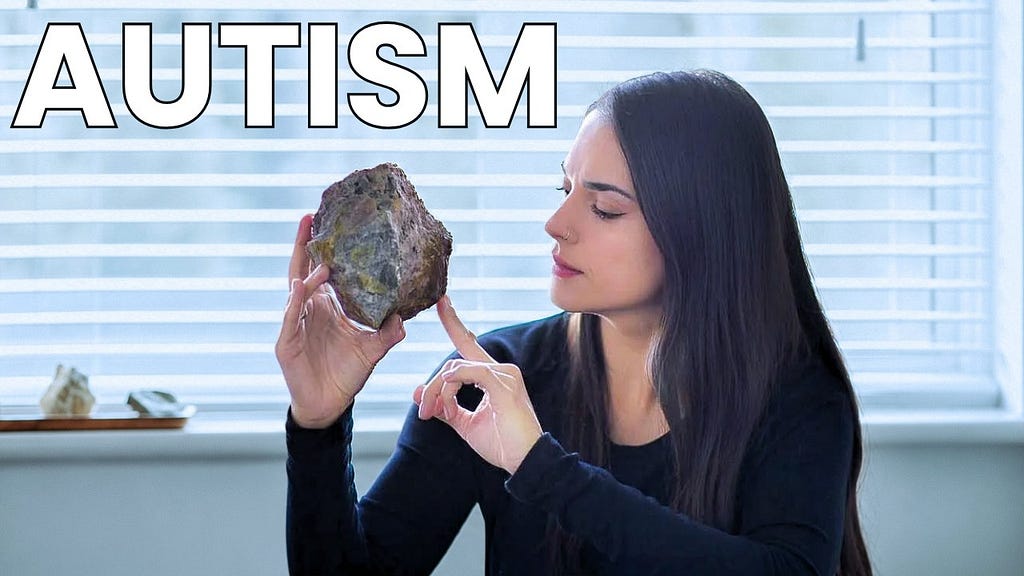
Many girls on the autism spectrum face a unique set of challenges, often leading to them being mischaracterized as rude or aloof. This perception stems largely from the ways in which they navigate social interactions and communicate their interests, particularly when those interests diverge from social norms. In this post, we’ll explore the nuances of autism in girls, the process of masking, and how selective mutism contributes to misunderstandings in their interactions.
From my experience and observations, girls diagnosed with autism often feel the pressure to conform to the expectations of their peers at a young age. Instead of expressing their true selves, they learn to mask their symptoms and interests in an effort to fit in. This can result in a disconnection from self-identity and lead to feelings of isolation, further perpetuating the misunderstanding surrounding their behavior.
The Concept of Masking in Autistic Girls
Masking is a coping mechanism that many girls on the spectrum develop as a means of navigating social dynamics. They learn early on that showing their true interests or struggles can lead to social rejection, thus opt to hide their authentic selves in order to be accepted.
Why Girls Mask Their Autism
- Societal Expectations: Many girls are socialized to meet certain behaviors and express emotions that align with societal norms. This pressure becomes a driving force for masking.
- Fear of Rejection: Past experiences of being excluded or ridiculed for their interests lead girls to suppress those traits.
- Desire for Acceptance: Autistic girls often wish to belong, which leads them to imitate the behaviors of their neurotypical peers.
Selective Mutism: A Hidden Challenge
Another common issue faced by autistic girls is selective mutism, which is the inability to speak in certain social situations. This is frequently misunderstood as rudeness or disinterest, when in reality, it is a form of anxiety and communication barrier.
The Experience of Selective Mutism
- Emotionally Overwhelming: Situations can become so overwhelming that the individual shuts down and is unable to speak.
- Fear of Misinterpretation: The inability to communicate can lead to anxiety about how others view their silence and may further damage their social connections.
- Lasting Effects: This often continues into adulthood, affecting personal and professional relationships if not properly addressed.
Understanding Social Dynamics
The social interactions and relationships that autistic girls engage in can be complex. Not only do they have to navigate the expectations of their peers, but they also often feel disconnected from common social interests.
Why Social Dynamics Feel Different for Autistic Girls
- Special Interests: While boys may feel free to express their unique passions without fear, girls might hesitate to share theirs, perceiving them as less acceptable or interesting.
- Social Expectations: Autistic girls frequently feel pressure to discuss topics that are culturally considered ‘normal,’ rather than what genuinely interests them.
- Adaptive Learning: Many seek to adapt by researching social topics or trends to better engage with peers, furthering their disconnect from authenticity.
The Impact of Late Diagnosis
Late diagnoses can complicate the journey for autistic girls significantly. Without an early understanding of their condition, they often face years of confusion about their identity and social struggles.
Consequences of Late Diagnosis
- Identity Crisis: Without an explanation for why they feel different, many girls grapple with their identity and may internalize negative thoughts.
- Lack of Support: Late diagnosis may mean missing crucial support resources that could aid in navigating social challenges.
- Struggles in Adulthood: As they transition to adulthood, the challenges may compound without the understanding gained through earlier support and resources.
Moving Towards Understanding and Acceptance
To improve the experiences of autistic girls, society must foster a better understanding of how autism manifests in females. Acceptance and awareness can help dismantle the stigma associated with autism and ensure that these girls can express themselves authentically.
How to Advocate for Autistic Girls
- Education: Increase awareness among educators, parents, and peers about the unique traits associated with autism in girls.
- Encourage Open Conversations: Provide safe spaces for autistic girls to share their experiences and interests without fear of judgment.
- Promote Acceptance: Above all, it is essential to foster an environment that encourages acceptance of diverse interests and behaviors.
TL;DR: Autism presents unique challenges for girls, particularly surrounding socialization and expression. They often mask their true selves out of fear of rejection, leading to misunderstandings and feelings of isolation. By increasing awareness and promoting acceptance, we can create a supportive environment that allows autistic girls to thrive while being true to themselves. Comment ‘FREE’ for the Free EBook.
Frequently Asked Questions
Why do some autistic girls mask their true selves?
Many autistic girls mask their behaviors to fit in with societal norms and avoid social rejection. This coping mechanism develops as they learn early on that their true interests may not be accepted by their peers.
What is selective mutism and how does it affect autistic girls?
Selective mutism is a condition where individuals are unable to speak in certain social situations. It is often a response to anxiety, leading to misunderstandings where they may be perceived as rude or uninterested in communication.
How can society support autistic girls better?
Society can support autistic girls by fostering an environment of acceptance and understanding, providing education on the unique traits of autism in females, and encouraging open dialogue about their interests and experiences.
source https://medium.com/@theaspieworld/understanding-autism-in-girls-why-rude-is-not-the-right-label-428b9e49b92b?source=rss-f19a32c20ea5------2


Comments
Post a Comment